
2026 Oscar-Nominated Live-Action Shorts
Edwin Arnaudin: Every year, you can count on the Oscar-nominated Live-action shorts covering some hot-button topics as well as frivolous ones. But I'm hard-pressed to think of a batch that does so in as milquetoast a manner as this year's finalists.
Only one, the French satire “Two People Exchanging Saliva,” possesses an iota of original thought while the rest either approach serious subjects with the depth of a second grader writing a book report or have so little at stake that it's a wonder so many people were duped into making them.
Were you similarly unimpressed?
James Rosario: For the most part, yes. I suppose I could muster something positive to say about each film, but why bother? Aside from the aforementioned French satire (which, based on the title, I never would have expected to be my favorite), each entry approaches its subject matter with a degree of clunkiness that's borderline off-putting. It's all so...bland. Four of the five films are either one-liner jokes that are already tiresome by the time the're uttered, or so one-dimensional you'd be better off doom-scrolling social media.
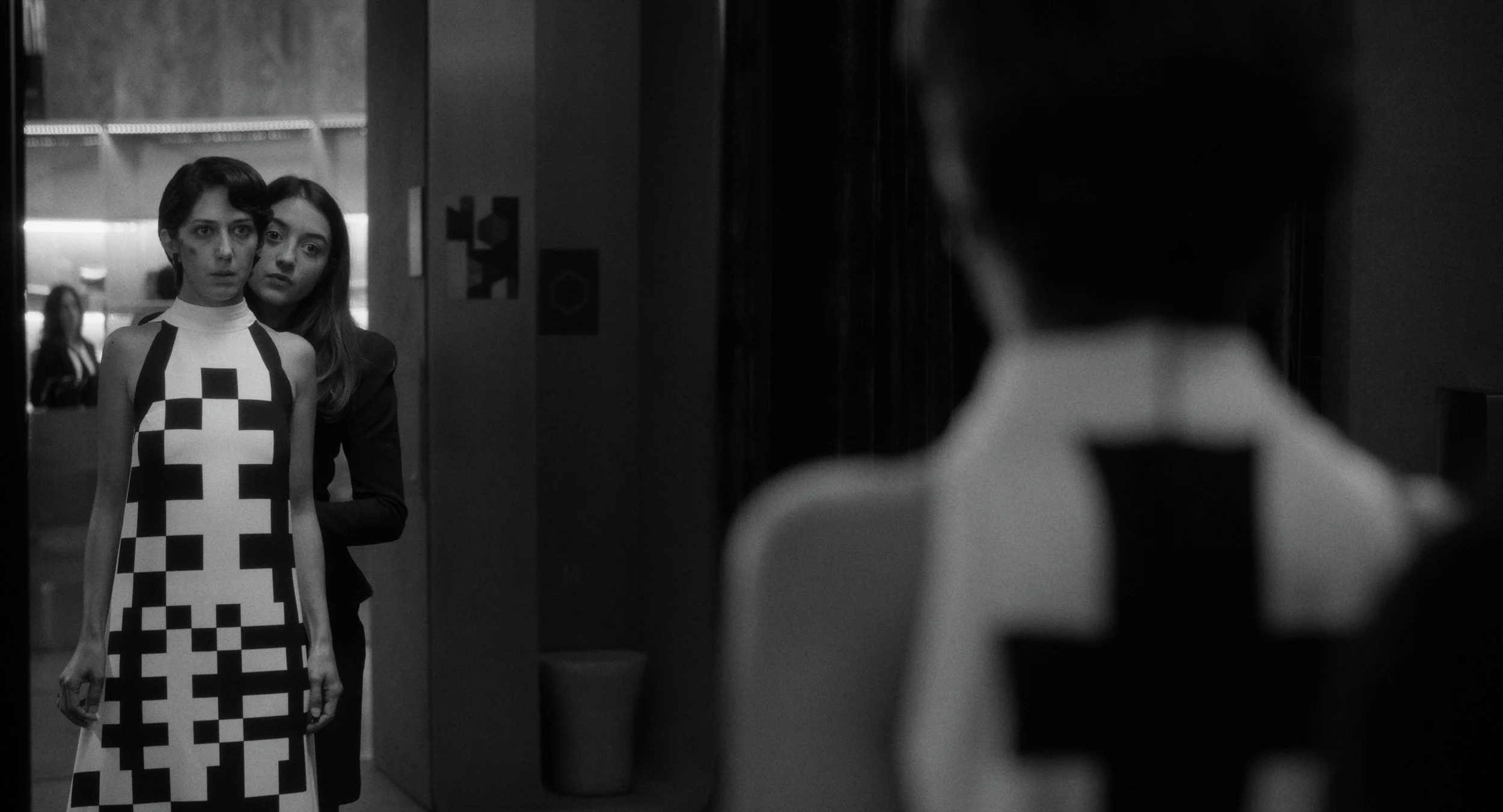
But that fifth one is one of my favorite Oscar shorts I've ever seen. Between pondering why everyone was obsessed with making their breath unpleasant and why all the hoity-toity rich ladies had bruises on their faces, I was completely enamored by the characters and the strange status-driven world they lived in. I fully realize that this French New Wave/Film Noir-inspired dystopian dark comedy won't be for everybody, but it checked a lot of boxes for me.
Bruce Steele: We're too good for traditional narrative storytelling now, are we? Or sketch comedy? “Saliva,” filmed in self-important black-and-white, is indeed the outlier, and it is, as you say, challenging and thought-provoking. It quickly and smartly creates a fascinating dystopian world...and then has only half a story and barely developed characters to populate it. It's all premise and Film Making without much of an emotional hook.
In contrast, "A Friend of Dorothy" is a richly engaging tale of an unlikely friendship — predictable, perhaps, but entertaining and satisfying. And it's got British acting icon Miriam Margolyes turning on the charm and an impressive debut (new to me at least) from young actor Alistair Nwachukwu. It's not groundbreaking, but it is pretty flawless (save for the overacted spoiled grandson).
"The Singers" is a fun slow-burn story of a bar full of ruined men who (yes, predictably) turn out to have hidden talents and repressed passions. It's well made and smile-inducing, even if it ends rather abruptly. Replace "smile-inducing" with "intentionally frustrating," and that same sentence could describe "Butcher's Stain," a tale of cruel prejudice set in an Israeli grocery store during the recent Gaza war.
These are all worthy little dramas, and "Dorothy" has a shot at the gold. You're telling me you didn't enjoy any of them?
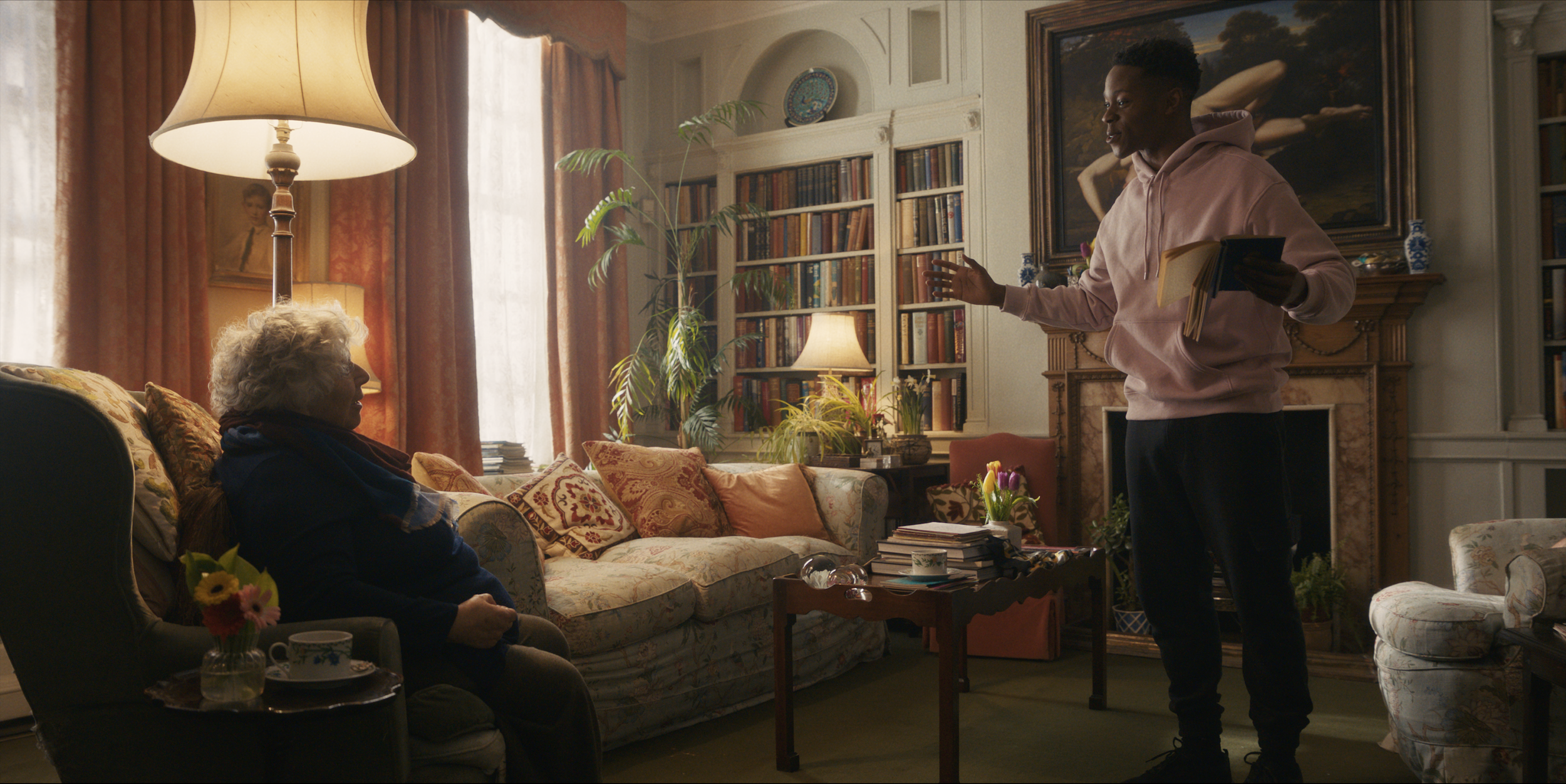
A Friend of Dorothy (Photo courtesy of Roadside Attractions)
Edwin: Besides "Saliva," none of these films are willing to go beyond the surface. "Dorothy" means well but isn't offering anything new and seems afraid to explore its protagonist's sexuality. "Butcher's Stain" feels like a first draft of an Israel/Palestine story, not a finished product. And I'm not sure what "The Singers" is trying to say — and I don't think the filmmakers know, either.
None of these are exactly bad; just a bit chickenshit. However, "Jane Austen’s Period Drama" is legitimately awful and plays like a rejected SNL sketch. It pulls down an already weak program into grade C territory.
James: I would concede that all of the films are well-intentioned, and I'm not mad at them for existing, but what kept popping into my head while watching was the term "student work." Any of these films would probably rake in awards at smaller niche film festivals, but this is the Oscars, and if this is the best the Academy can muster, I'd hate to see what was rejected.
I will admit, though, that despite "The Singers" not hitting home for me, it did make me want to track down the 1850 short story by Russian author Ivan Turgenev it was based on. I guess that's worth something. And I have to agree with Edwin about the Jane Austen film. I kept expecting to see the "SNL Digital Shorts" logo to pop up. All it was missing was Andy Samberg mugging for the camera.

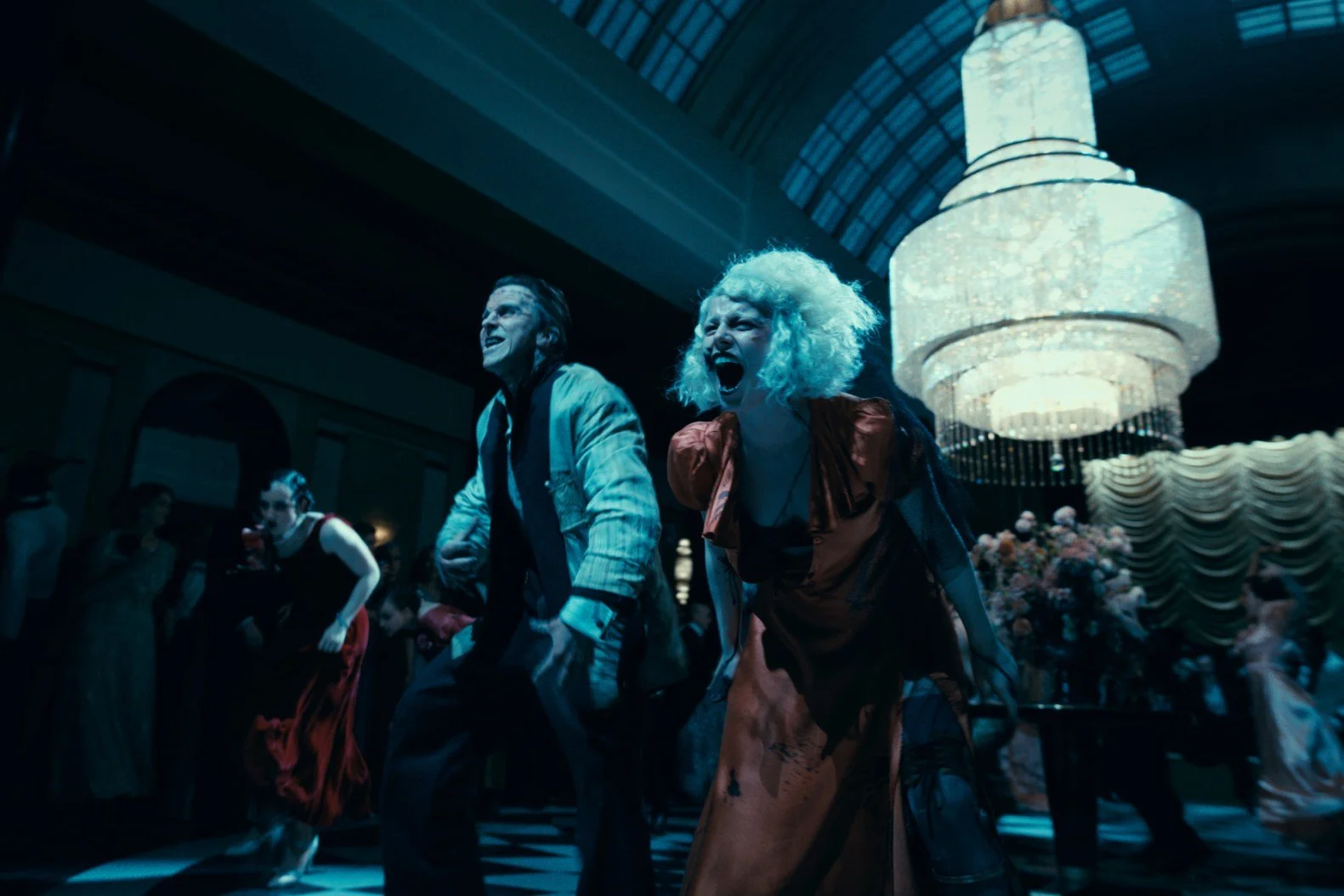
Jane Austen's Period Drama (Photo courtesy of Roadside Attractions)
Bruce: Considering the quality of SNL sketches in recent years, the Jane Austen short would have raised the bar for that beleaguered show. It's silly, yes, but I was amused. It does make a point about the unreality and sexism of 19th century novels (and the films adapted from them) — again, somewhat obvious but still entertaining. I'm not going to defend it from your dismissals, but I was glad to see something purely comic and lighthearted in the mix. The nominated shorts are often so earnest and borderline dismal.
Are these the best short films made in 2025? I don't think we can answer that. But do they hit their marks and make for a worthwhile 90 minutes of viewing? I think they do.
James: While I agree with Edwin on the artistic and thematic elements, Bruce does bring up a good point. It's not uncommon for the Live-Action Shorts to be varying degrees of mean-spirited slog, but this year, I was pleased that wasn't the case. In fact, I even wrote in my notes, "At least I'm not depressed." And while this observation alone isn't enough to change my overall opinion of the program, it does earn it a few extra points — even if those earned points are more for something it's not than something that it is. For not making me feel the need to reevaluate my medication dosages, I give this year's entries a passing (but barely) C-minus.
Bruce: I’ll go further and actually recommend this program, giving it a B-plus.
Grade: C-plus. Not rated but with adult themes and language.
(Photo of Two People Exchanging Saliva courtesy of Roadside Attractions)